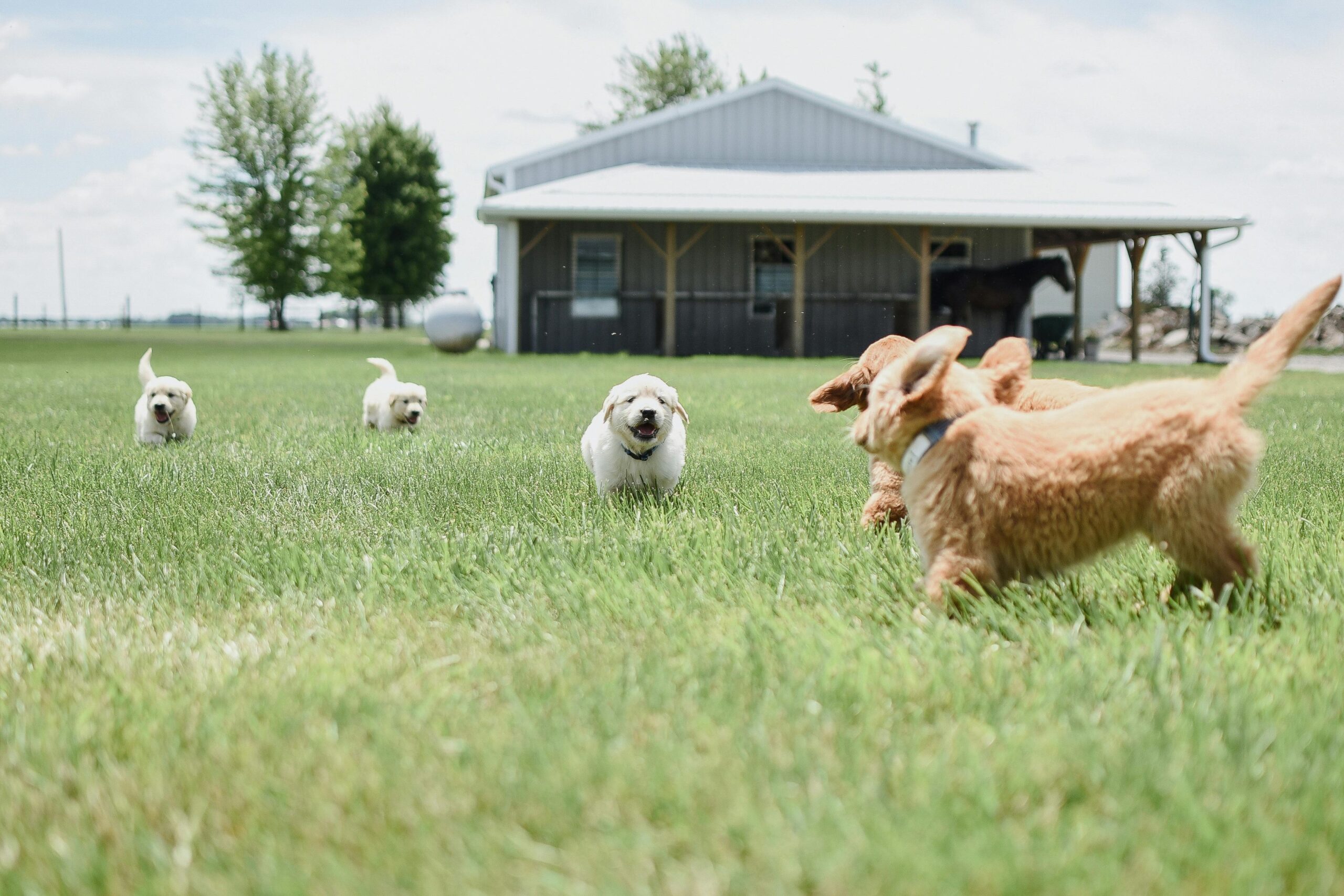
Dogs have shared their lives with humans for thousands of years, but the modern world often treats every dog simply as a companion animal. While companionship is certainly one of the most important roles dogs play today, their abilities, personalities, instincts, and physical characteristics can vary dramatically from one breed to another. These differences are not accidental. Generations of selective breeding shaped dogs for specific purposes, from herding livestock and guarding property to retrieving game and pulling sleds. Understanding these unique traits can help people appreciate why different breeds behave the way they do and choose dogs that fit their lifestyles.
Why Dog Breeds Have Different Talents
A dog’s breed provides important clues about its natural tendencies. Breeders historically selected dogs based on characteristics that made them effective at particular jobs. A Border Collie, for example, was developed with qualities that made it exceptionally useful for controlling and moving livestock. Retrievers were valued for their ability to locate and bring back game without damaging it, while scent hounds developed remarkable abilities to follow trails.
These inherited tendencies can influence modern behavior. A dog bred for herding may instinctively try to control movement, while a terrier may be inclined to investigate, chase, or dig. A guardian breed may be naturally watchful and protective. This does not mean every dog will behave exactly according to breed stereotypes. Individual personality, training, socialization, environment, and life experiences all play important roles.
Herding Breeds: Intelligent and Purpose Driven
Herding breeds are among the most recognizable examples of specialized canine talent. Border Collies, Australian Shepherds, German Shepherd Dogs, and other herding breeds were developed to work closely with people while managing livestock.
The Border Collie is particularly well known for intelligence, responsiveness, and an intense work ethic. Its ability to notice movement and respond to subtle signals makes it highly effective in herding and competitive dog sports. Australian Shepherds are also energetic and eager to work, often enjoying activities that challenge both their bodies and minds.
German Shepherd Dogs have served in numerous working roles beyond herding, including search and rescue, service work, detection, and law enforcement. Their intelligence, physical ability, and willingness to learn have made them highly versatile working dogs.
For families, the energy of these breeds can be both an advantage and a challenge. A dog with strong working instincts often needs regular exercise, training, and mental stimulation. Without appropriate outlets, boredom can lead to unwanted behaviors.
Sporting Breeds: Built for Activity
Sporting breeds were traditionally developed to assist hunters. Labrador Retrievers, Golden Retrievers, English Springer Spaniels, and similar breeds demonstrate how specialized abilities can become valuable qualities in family pets.
Labrador Retrievers are known for their enthusiasm, trainability, and retrieving instincts. Their love of carrying objects and their natural enjoyment of water reflect aspects of their historical purpose. Golden Retrievers similarly combine athletic ability with a cooperative temperament, making them popular as companions as well as service, therapy, and assistance dogs.
Spaniels were often developed to locate and flush birds from cover. Their energy, enthusiasm, and responsiveness can make them excellent companions for active households.
Because sporting breeds were designed to work, they generally benefit from regular physical activity. Fetch, hiking, swimming, obedience training, and interactive games can provide healthy outlets for their natural abilities.
Hounds: Masters of Sight and Scent
Hounds represent another fascinating category of canine specialization. Some hounds rely primarily on extraordinary vision, while others are famous for their powerful sense of smell.
Greyhounds, for instance, were developed for speed and visual pursuit. Their slender bodies, long legs, and athletic structure allow them to accelerate rapidly. Despite their reputation as racing dogs, individual Greyhounds can also make relaxed household companions when provided with appropriate care and exercise.
Beagles demonstrate a different kind of specialization. Their remarkable sense of smell and determination make them effective scent hounds. Their noses can lead them toward interesting smells even when their owners would prefer them to stay focused elsewhere.
This illustrates an important lesson for dog owners: traits that were valuable working characteristics can sometimes become challenging behaviors in a home. A scent-driven dog may enthusiastically follow an intriguing trail, while a sight hound may react strongly to fast-moving objects.
Working Breeds: Strength, Endurance, and Responsibility
Working breeds were developed for demanding physical and practical tasks. Siberian Huskies, Newfoundlands, Rottweilers, and Bernese Mountain Dogs are examples of breeds associated with different types of working ability.
Siberian Huskies were developed for endurance and transportation in cold environments. Their energy, athleticism, and independence reflect that history. Newfoundlands, meanwhile, have long been associated with water work and strength. Their physical characteristics and swimming ability helped make them valuable working dogs around water.
Rottweilers have historically served as versatile working dogs, including roles involving livestock and property. They can be powerful, confident, and highly trainable when responsibly raised and handled.
Owners of working breeds need to understand the responsibilities that accompany their physical strength and instincts. Proper training, socialization, exercise, and responsible ownership are especially important with larger and powerful dogs.
Terrier Breeds: Small Dogs With Big Determination
Terriers were historically developed to pursue and control vermin and other small animals. Breeds such as Jack Russell Terriers, Scottish Terriers, and West Highland White Terriers often retain the confidence and determination associated with their working history.
A terrier may be small enough to fit comfortably in a compact home but possess an enormous amount of energy and curiosity. Digging, chasing, investigating, and persistent exploration can all reflect natural instincts.
Their spirited personalities can make terriers entertaining and engaging companions. However, prospective owners should not assume that a small dog automatically requires little exercise or stimulation. Many terriers thrive when given training games, interactive toys, and opportunities to explore safely.
Toy Breeds: Companionship as a Specialty
Not every breed was developed primarily for demanding physical labor. Toy breeds were often selected for companionship and their ability to live closely with people. Chihuahuas, Pomeranians, Shih Tzus, and Cavalier King Charles Spaniels are examples of small breeds that have become beloved household companions.
Their compact size can make them suitable for various living environments, although individual exercise needs and personalities still differ. A small dog may be physically compact while remaining energetic, playful, vocal, or remarkably confident.
Toy breeds also demonstrate that companionship is itself a meaningful canine role. Dogs provide social interaction, affection, entertainment, and emotional connection, making them important members of many households.
Mixed-Breed Dogs Have Unique Talents Too
While breed characteristics can provide useful guidance, they should never be treated as a complete description of an individual dog. Mixed-breed dogs can inherit characteristics from several ancestral lines, creating combinations of appearance, behavior, and ability that may be difficult to predict.
Even dogs from the same litter can develop different personalities. One puppy may be outgoing and adventurous, while another is more cautious and observant. Owners should therefore pay attention to the individual dog rather than relying entirely on breed expectations.
Understanding a dog’s behavior through observation can reveal what activities it genuinely enjoys. Some dogs love retrieving, others prefer scent games, and some thrive on learning tricks or participating in agility exercises.
Matching a Dog’s Talents With Its Lifestyle
The most successful human-dog relationships often develop when an owner’s lifestyle complements the dog’s natural tendencies. An active household may enjoy an energetic sporting or herding breed, while someone seeking a quieter companion may prefer a dog with different exercise requirements.
This does not mean certain breeds are automatically suitable or unsuitable for particular people. Instead, prospective owners should consider exercise needs, grooming, training requirements, size, temperament, living arrangements, and the amount of time they can dedicate to their dog.
Training can also help channel natural instincts into positive activities. A herding dog might enjoy agility or obedience exercises. A scent hound could thrive on nose-work games. A retriever may be happiest playing fetch. Providing an appropriate outlet can turn instinctive behaviors into rewarding shared experiences.
Celebrating Canine Diversity
The incredible variety of dog breeds reflects a long history of cooperation between humans and dogs. Each breed carries a collection of traits shaped by generations of selective breeding, but those traits are only part of the story. Every dog is an individual with its own personality, preferences, strengths, and limitations.
From the determined terrier and tireless herding dog to the athletic retriever and devoted companion breed, dogs demonstrate an extraordinary range of abilities. Recognizing these differences allows owners to provide better training, enrichment, exercise, and care.
Ultimately, discovering a dog’s unique talents is not simply about identifying its breed. It is about observing the individual animal, understanding its instincts, and finding constructive ways to let those abilities shine. When people match a dog’s natural strengths with appropriate activities and a supportive environment, they can create a relationship that benefits both sides—and celebrate what makes every dog uniquely special.
Generated by ChatGPT