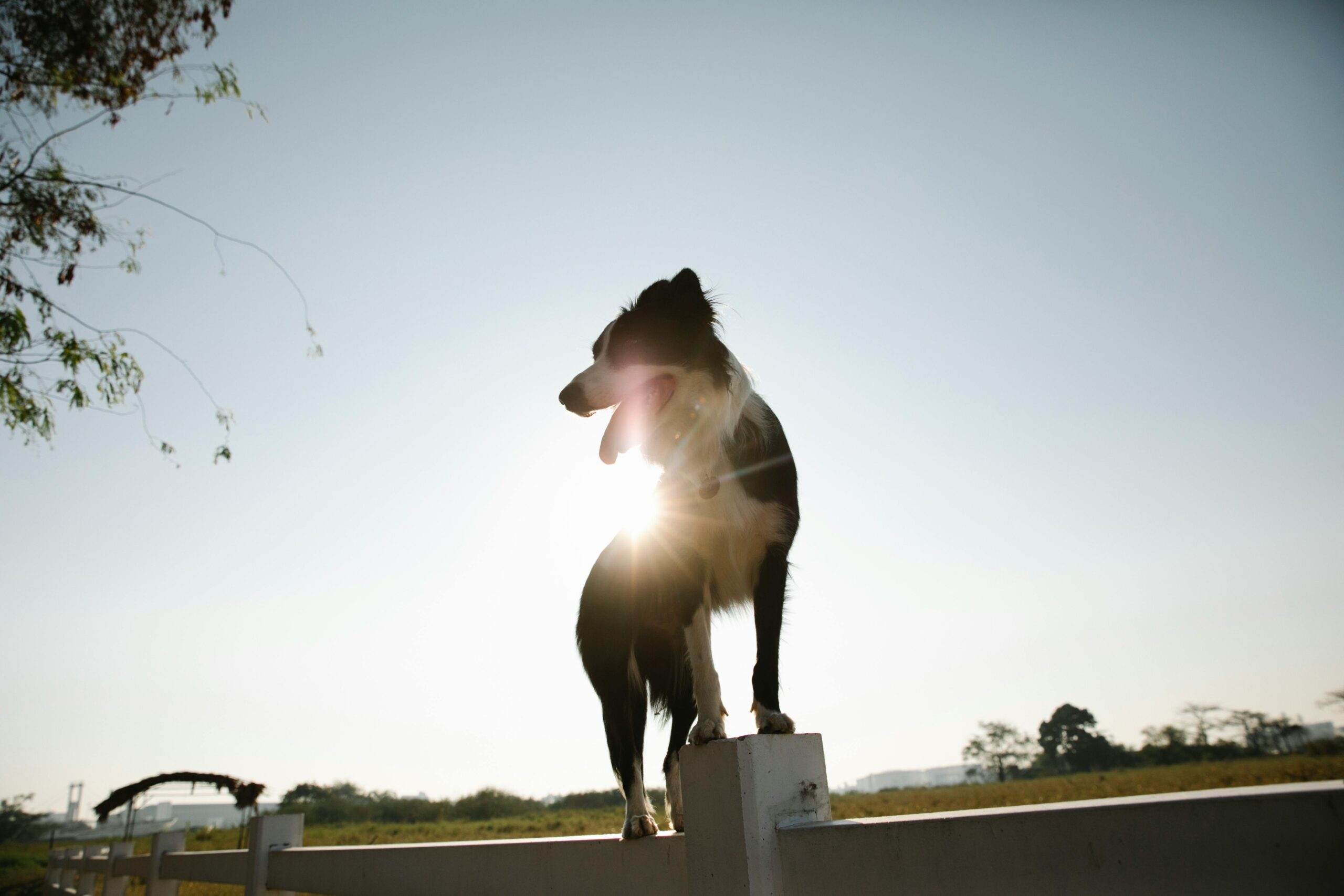
As seasons change, so do our routines, wardrobes, and even our moods. But what about our furry companions? Dogs, like humans, are affected by fluctuations in temperature and weather. While some breeds are well-suited for specific climates, all dogs require adjustments to their care routines to remain healthy and comfortable year-round. Understanding your dog’s breed characteristics and knowing how to adapt their environment and activities is key to ensuring they thrive in every season.
Understanding Breed-Specific Needs
Each dog breed comes with a unique set of traits and physical characteristics that determine how well they handle different climates. For instance:
- Cold-Weather Breeds: Breeds like the Siberian Husky, Alaskan Malamute, and Bernese Mountain Dog have thick double coats that insulate them from harsh winter temperatures.
- Warm-Weather Breeds: Dogs like the Basenji, Chihuahua, and Greyhound have shorter coats and are better adapted to hot climates.
However, even if a breed is naturally suited to a specific environment, that doesn’t mean they’re immune to discomfort or health issues caused by seasonal changes.
Adapting to Winter
1. Maintain Proper Grooming
Avoid shaving your dog’s coat during the winter, especially if they are a cold-weather breed. The fur acts as a natural insulator. Instead, focus on regular brushing to keep their coat free of mats and distribute natural oils.
2. Adjust Outdoor Time
Limit time spent outside during extremely cold days, especially for small or short-haired breeds. Consider investing in a warm dog coat or sweater and booties to protect their paws from ice and salt.
3. Nutrition and Hydration
Some dogs may require additional calories during colder months, particularly if they remain active outdoors. Ensure they have access to fresh, unfrozen water and consider foods with healthy fats to support coat health.
4. Indoor Comfort
Create a cozy space indoors with blankets and elevated bedding to keep your dog off cold floors. Avoid drafty areas and use a humidifier to prevent dry skin caused by heated indoor air.
Adapting to Summer
1. Hydration is Key
Hot weather increases your dog’s need for water. Ensure they have constant access to clean water both indoors and outdoors. Carry a portable bowl and water bottle when you’re on the go.
2. Modify Exercise Routines
Exercise your dog during the cooler parts of the day—early morning or late evening. Avoid midday walks when the sun is strongest, and always check pavement temperature to prevent paw burns.
3. Grooming for Warmth
While it might be tempting to shave your dog to keep them cool, this can actually do more harm than good. A dog’s coat helps regulate body temperature and protect against sunburn. Instead, brush regularly to remove excess undercoat and promote airflow.
4. Create Cooling Zones
Provide shaded areas and cooling mats in your home or yard. Let your dog relax near a fan or in an air-conditioned room. Some dogs enjoy kiddie pools or sprinklers as a fun way to stay cool.
5. Watch for Heatstroke
Signs of overheating include excessive panting, drooling, vomiting, and lethargy. If you suspect heatstroke, move your dog to a cool place, offer water, and seek veterinary help immediately.
Spring and Fall Transitions
These in-between seasons can be tricky as weather patterns fluctuate. Allergens like pollen and mold also tend to spike, which can affect dogs with sensitivities.
1. Allergy Management
Watch for signs of allergies such as excessive licking, scratching, or red eyes. Regularly wipe down your dog after walks to remove pollen and dust. Consult your vet for appropriate medications if needed.
2. Tick and Flea Control
Warmer spring and fall temperatures can lead to a rise in parasites. Use veterinarian-approved flea and tick prevention and check your dog after outdoor activities.
3. Reevaluate Feeding and Exercise
With temperature changes, your dog’s activity levels and metabolism may shift. Adjust food portions and exercise routines accordingly to maintain a healthy weight.
Breed Adaptation Tips for Every Climate
Even if you live in a region that contrasts with your dog’s natural climate preferences, it’s still possible to keep them happy and healthy with a few lifestyle tweaks:
- Urban vs. Rural Living: City-dwelling dogs may need additional protection from pavement heat or icy sidewalks, while rural dogs might be more exposed to the elements.
- Size Matters: Smaller dogs are often more susceptible to extreme temperatures. Large breeds may overheat more easily.
- Coat Care: Learn the grooming needs of your breed. Double-coated dogs shed seasonally, and proper care helps manage their comfort.
- Mental Stimulation: When extreme weather keeps you indoors, enrich your dog’s environment with puzzle toys, scent games, and short training sessions.
Adapting your dog to seasonal climate changes isn’t just about surviving the weather—it’s about helping them thrive throughout the year. By understanding your dog’s breed traits and making thoughtful adjustments, you can create a harmonious living environment that supports their well-being no matter the season. Whether you’re bundling up in winter or basking in the summer sun, your dog depends on you to keep their paws in harmony with the world around them.