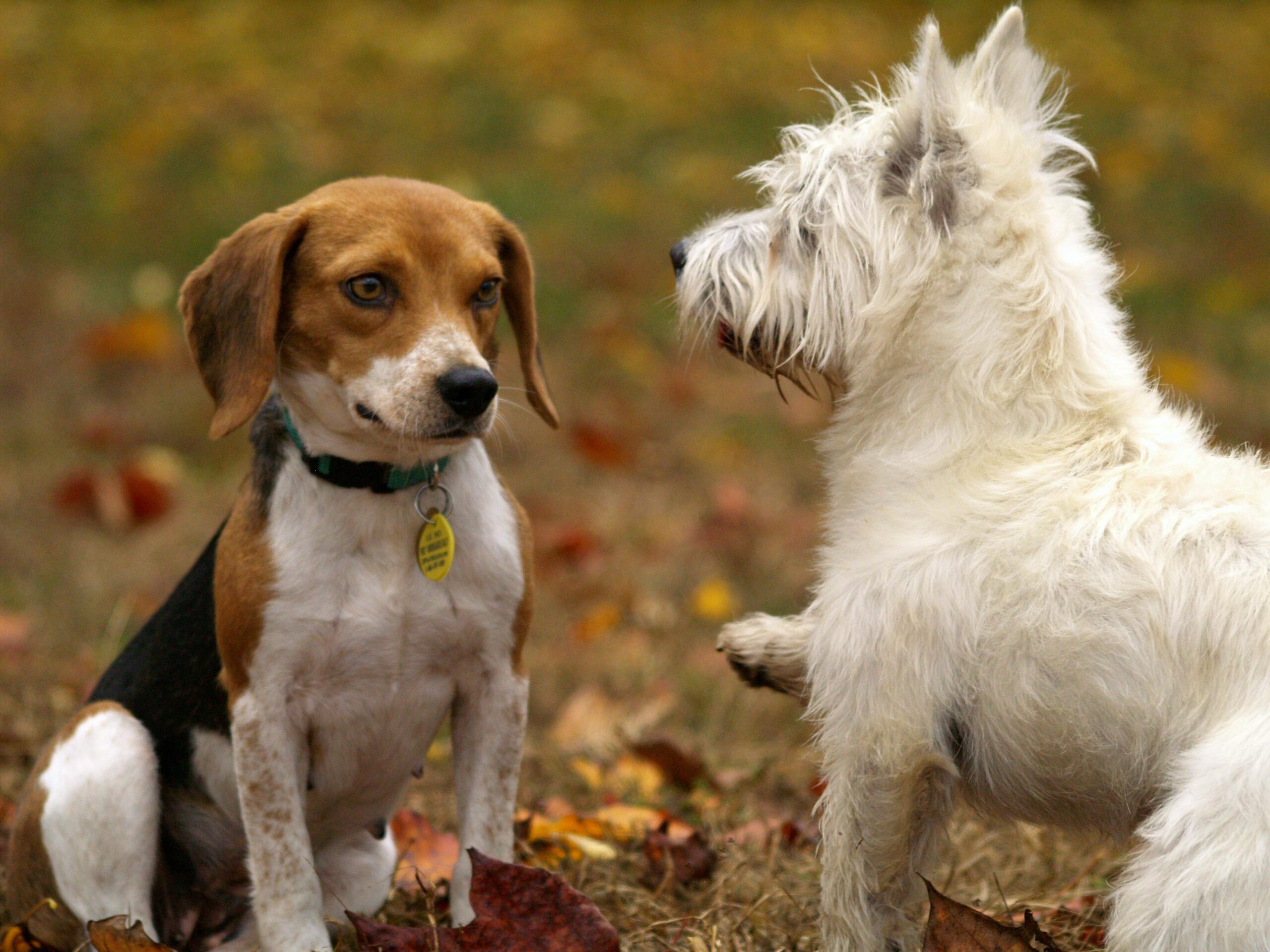
Dogs have worked alongside humans for thousands of years, serving as hunters, protectors, herders, and companions. While modern dogs often live comfortable lives as family pets, many breeds still retain the instincts they were originally bred for. One of the strongest and most fascinating canine instincts is prey drive — the natural desire to chase, track, capture, or hunt moving animals.
Prey drive varies greatly between breeds and individual dogs. Some breeds have only mild hunting instincts, while others possess intense drive and focus that can be traced back to centuries of selective breeding. Understanding prey drive is important for dog owners because it influences behavior, training needs, exercise requirements, and compatibility with other pets.
Natural hunting breeds can make loyal, intelligent, and energetic companions, but they often require proper management and stimulation to thrive in a modern household environment.
What Is Prey Drive?
Prey drive refers to a dog’s instinctive motivation to search for, chase, and sometimes capture prey. This behavior is deeply rooted in canine ancestry and survival instincts. While wolves relied on hunting for food, domesticated dogs were selectively bred to perform specialized hunting tasks for humans.
Prey drive can involve several stages of behavior, including:
- Searching
- Stalking
- Chasing
- Grabbing
- Retrieving
Some breeds were developed to locate prey through scent, while others relied on speed, agility, or strong vision to track moving animals. Even though most modern dogs no longer hunt for survival, these instincts remain powerful in many breeds today.
Why Some Breeds Have Stronger Hunting Instincts
Selective breeding plays the biggest role in determining prey drive. Over generations, humans intentionally bred dogs with specific hunting abilities to assist with various tasks.
For example:
- Sight hounds were bred to chase fast-moving prey.
- Terriers were bred to hunt rodents and small animals.
- Sporting breeds were developed to retrieve game birds.
- Herding dogs were bred to control livestock movement.
As a result, many of these breeds still display instinctive behaviors such as chasing squirrels, tracking scents, or reacting strongly to movement.
While prey drive is natural, it does not automatically mean a dog is aggressive. In most cases, it simply reflects strong instinctual behavior that requires proper training and management.
Sight Hounds: Fast and Focused Hunters
Sight hounds are among the most well-known breeds for strong prey drive. These dogs rely heavily on vision and speed to chase moving animals.
Popular sight hound breeds include:
- Greyhound
- Whippet
- Saluki
- Afghan Hound
These breeds were historically used to hunt rabbits, deer, and other fast prey across open terrain. Their powerful chase instinct often makes them highly reactive to movement.
Sight hounds are typically gentle and affectionate indoors, but their prey drive can activate instantly when they spot a running animal. Because of this, many owners keep them on secure leashes or within fenced areas during outdoor activities.
Despite their athletic abilities, many sight hounds are calm and relaxed in the home when provided with sufficient exercise.
Terriers: Fearless Small Game Hunters
Terriers were originally bred to hunt rats, foxes, badgers, and other small animals. These dogs are known for their courage, determination, and intense focus.
Breeds with strong prey drive include:
- Jack Russell Terrier
- Rat Terrier
- Airedale Terrier
- Border Terrier
Terriers are often energetic, intelligent, and highly motivated hunters. They may instinctively dig, chase small animals, or react strongly to movement.
Because of their strong instincts, terriers usually benefit from regular mental stimulation and physical activity. Puzzle toys, agility training, scent games, and structured play can help satisfy their natural drive.
Many terriers can live happily as family pets, but owners should carefully supervise interactions with smaller pets such as rabbits, hamsters, or birds.
Sporting Breeds: Skilled Retrievers and Bird Dogs
Sporting breeds were developed to assist hunters by locating, flushing, and retrieving game birds. These dogs often combine strong prey drive with high intelligence and trainability.
Popular sporting breeds include:
- Labrador Retriever
- Golden Retriever
- English Springer Spaniel
- German Shorthaired Pointer
These dogs typically enjoy activities that engage their instincts, such as fetch, swimming, scent tracking, and field training.
Sporting breeds are often highly social and eager to please, making them easier to train than some independent hunting breeds. However, they still require consistent exercise and mental engagement to prevent boredom and destructive behavior.
Many sporting breeds excel in dog sports, search-and-rescue work, and outdoor activities because of their strong work ethic and natural drive.
Northern and Primitive Breeds
Some northern and primitive dog breeds also possess strong prey instincts due to their historical roles as hunting or survival companions.
Examples include:
- Siberian Husky
- Alaskan Malamute
- Basenji
- Shiba Inu
These breeds often have independent personalities and may show strong chase instincts toward smaller animals.
For example, Huskies are known for their athleticism and endurance, but they may instinctively pursue cats, squirrels, or wildlife if given the opportunity.
Training and secure containment are especially important for these breeds because prey drive can sometimes override obedience commands during exciting situations.
Herding Breeds and Movement Sensitivity
Although herding dogs were not primarily bred for hunting, many still display prey-drive-related behaviors because they are highly sensitive to movement.
Common herding breeds include:
- Border Collie
- Australian Shepherd
- Belgian Malinois
These dogs may instinctively chase moving objects, bicycles, running children, or livestock. Their behaviors often involve stalking and controlling movement rather than attacking prey.
Herding breeds are extremely intelligent and energetic, requiring advanced training and regular mental stimulation.
Without enough activity, they may develop unwanted behaviors due to frustration or boredom.
Managing Strong Prey Drive
Owning a dog with strong prey drive requires responsible management and training. While instinct cannot be completely removed, it can often be controlled and redirected.
Helpful strategies include:
- Early socialization
- Obedience training
- Reliable recall training
- Secure fencing
- Leash control
- Mental enrichment activities
- Structured exercise
Positive reinforcement training works especially well for high-drive breeds because it builds focus and strengthens communication between dog and owner.
Activities such as scent work, agility, tracking, lure coursing, and fetch can provide healthy outlets for natural instincts.
Owners should also understand that no amount of training completely eliminates instinctive behaviors in some dogs. Awareness and prevention remain important parts of responsible ownership.
Are High Prey Drive Dogs Good Family Pets?
Many dogs with strong prey drive make wonderful family companions when their needs are properly understood and managed.
These breeds are often:
- Intelligent
- Athletic
- Loyal
- Energetic
- Highly trainable
However, they may not be ideal for every household. Families with small pets or very limited activity levels may find some high-drive breeds more challenging to manage.
The key to success is choosing a breed that matches your lifestyle, experience level, and ability to provide adequate exercise and structure.
Dogs with strong prey drive are a fascinating reminder of the close relationship between humans and working canines throughout history. Whether bred for hunting, retrieving, chasing, or herding, these instinctive behaviors remain deeply rooted in many breeds today.
From the speed of the Greyhound to the fearless determination of the Jack Russell Terrier, natural hunting breeds continue to display the remarkable abilities they were developed for generations ago.
Understanding prey drive helps owners provide better training, enrichment, and care while building stronger relationships with their dogs. With proper management, exercise, and guidance, high-drive breeds can thrive as loyal companions while still expressing the instincts that make them unique.
Generated by ChatGPT