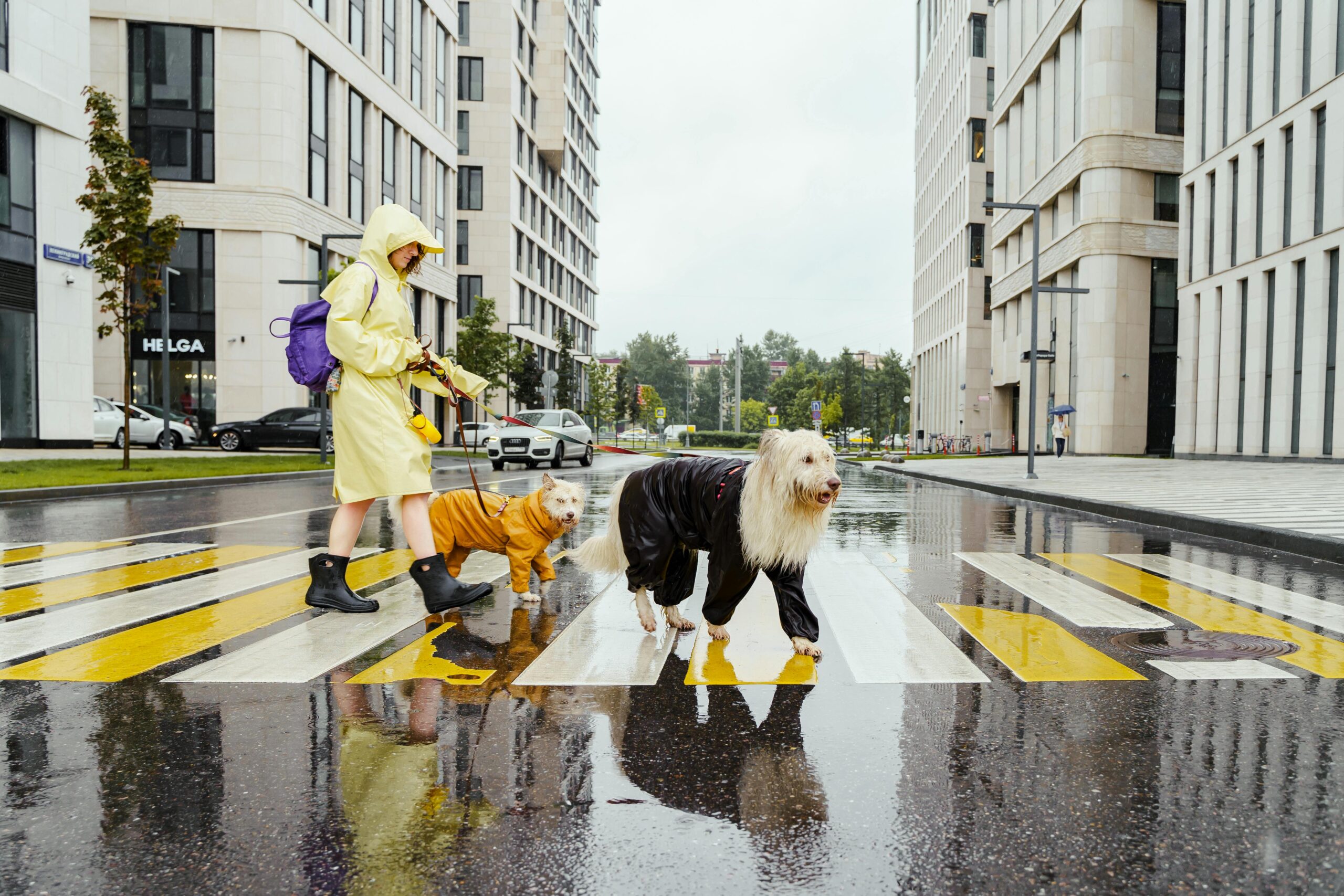
Sustainable living is more than just a trend; it’s a way of life that prioritizes the health of our planet and promotes eco-friendly habits. As dog lovers become more environmentally conscious, the choice of a pet—and how that pet fits into a sustainable lifestyle—is taking center stage. While any dog can join an eco-conscious household, certain breeds are particularly suited for sustainable living due to their size, energy requirements, grooming needs, and adaptability. Here’s a guide to the best dog breeds for those looking to align their love for pets with their commitment to the planet.
What Makes a Dog Breed Sustainable?
When considering a dog breed’s sustainability, several factors come into play:
- Size and Food Requirements: Smaller dogs generally consume less food, which reduces their environmental footprint. Larger breeds often require more resources to care for.
- Grooming Needs: Low-maintenance coats mean less water, shampoo, and energy are required for grooming.
- Activity Levels: Breeds with moderate energy needs can adapt well to simple, sustainable routines without requiring constant travel to parks or specialized exercise facilities.
- Adaptability: Dogs that thrive in small spaces or don’t need extensive outdoor setups are ideal for urban, eco-friendly living.
- Health and Longevity: Breeds with fewer health problems reduce medical interventions, medications, and associated carbon footprints.
- Adoption Potential: Choosing to adopt rather than shop is one of the most sustainable ways to bring a dog into your home.
1. Greyhound
Despite their reputation as racing dogs, Greyhounds are surprisingly low-energy and adaptable, making them a top choice for sustainable living.
- Key Traits: Gentle, laid-back, and affectionate.
- Sustainability Benefits: Their short coat requires minimal grooming, and their moderate appetite means less food consumption compared to similarly sized breeds.
- Living Environment: Greyhounds are content with a few short walks and love lounging indoors, which is perfect for urban dwellers.
- Adoption Tip: Retired racing Greyhounds often need homes, giving you the opportunity to adopt a dog in need.
2. Chihuahua
Chihuahuas are one of the smallest dog breeds, which makes them inherently more eco-friendly due to their minimal resource needs.
- Key Traits: Compact, loyal, and full of personality.
- Sustainability Benefits: Their tiny size means they consume very little food, and their short coat requires little maintenance.
- Living Environment: Perfect for apartments or small homes, Chihuahuas adapt well to eco-conscious urban lifestyles.
- Adoption Tip: Many Chihuahuas are available in shelters, as they are a common breed found in rescues.
3. Whippet
Similar to Greyhounds, Whippets are sleek, elegant dogs that thrive on moderate exercise and minimal grooming.
- Key Traits: Friendly, athletic, and quiet.
- Sustainability Benefits: Whippets require little grooming, eat modestly for their size, and have a calm indoor demeanor.
- Living Environment: They are equally comfortable in small apartments and open spaces, adapting well to their owner’s lifestyle.
- Adoption Tip: Look for Whippet rescue groups or shelters to adopt one of these elegant companions.
4. Dachshund
Dachshunds, with their small stature and playful energy, are ideal for those looking to combine companionship with sustainable living.
- Key Traits: Curious, lively, and affectionate.
- Sustainability Benefits: Their compact size reduces food and resource consumption, and their short-haired varieties require minimal grooming.
- Living Environment: They adapt well to small spaces and love cozy, eco-friendly setups.
- Adoption Tip: Dachshund-specific rescues often have many dogs in need of homes.
5. Border Collie
For those with an active lifestyle and a love for outdoor activities, the Border Collie is a sustainable choice. These intelligent dogs thrive in homes that value mental stimulation and physical activity.
- Key Traits: Energetic, intelligent, and trainable.
- Sustainability Benefits: Their natural athleticism makes them great partners for outdoor activities like hiking, which eliminates the need for energy-intensive gym or indoor exercise routines.
- Living Environment: While they prefer open spaces, they can adapt to smaller homes if they get sufficient exercise.
- Adoption Tip: Many working Border Collies end up in shelters and are eager for a second chance.
6. Shih Tzu
The Shih Tzu is a small, adaptable breed that thrives in various living environments, including eco-conscious urban homes.
- Key Traits: Friendly, calm, and low-energy.
- Sustainability Benefits: Their small size means less food consumption, and regular brushing can reduce the need for frequent baths.
- Living Environment: Shih Tzus are perfectly content in apartments and small homes.
- Adoption Tip: Rescue groups often have Shih Tzus looking for loving homes.
7. Poodle (Miniature and Toy)
Poodles are highly intelligent and come in various sizes, with Miniature and Toy Poodles being particularly suited for sustainable living.
- Key Traits: Smart, hypoallergenic, and adaptable.
- Sustainability Benefits: Their hypoallergenic coats shed minimally, reducing cleanup needs. They’re also easy to train for eco-friendly habits, like using designated areas for waste.
- Living Environment: Poodles thrive in both urban and suburban settings, making them versatile companions.
- Adoption Tip: Consider adopting from Poodle rescues or mixed-breed shelters.
8. Boston Terrier
Boston Terriers, often called the “American Gentleman,” are small, compact dogs with a friendly and easygoing temperament.
- Key Traits: Sociable, intelligent, and low-maintenance.
- Sustainability Benefits: Their short coat requires little grooming, and they’re content with moderate exercise, reducing the need for resource-heavy activities.
- Living Environment: They do well in apartments or small homes with access to a local park.
- Adoption Tip: Boston Terriers are frequently found in breed-specific rescues.
9. Mixed Breeds
Mixed-breed dogs, often found in shelters, are a fantastic option for sustainable living. By adopting a mixed-breed dog, you’re not only reducing the demand for breeding but also giving a home to a dog in need.
- Key Traits: Unique, adaptable, and often healthier due to diverse genetics.
- Sustainability Benefits: Mixed breeds come in all sizes and temperaments, allowing you to find the perfect match for your lifestyle.
- Living Environment: Shelters can help you find a dog that fits your living situation, whether it’s an apartment or a rural home.
- Adoption Tip: Visit your local shelter or rescue organization to find your perfect match.
Tips for Raising a Dog Sustainably
- Adopt, Don’t Shop: Choosing adoption over purchasing reduces the demand for breeding and supports shelters.
- Eco-Friendly Products: Use biodegradable waste bags, sustainable toys, and eco-conscious grooming products.
- Homemade Food: Consider preparing homemade dog food with locally sourced ingredients to reduce packaging and carbon footprints.
- Reusable Supplies: Invest in reusable items like washable pee pads and durable toys to minimize waste.
- Green Cleaning: Use pet-safe, eco-friendly cleaning products for accidents and grooming.
- Walk or Bike: Reduce car trips by walking or biking with your dog for exercise and outings.
Sustainable living doesn’t mean compromising on the joys of pet ownership. By choosing a breed that aligns with eco-friendly values and adopting sustainable practices, you can enjoy the companionship of a dog while minimizing your environmental impact. From tiny Chihuahuas to active Border Collies, there’s a perfect green companion for every lifestyle. Remember, adopting a dog in need is one of the most sustainable decisions you can make, ensuring a happier planet and a happier pet.