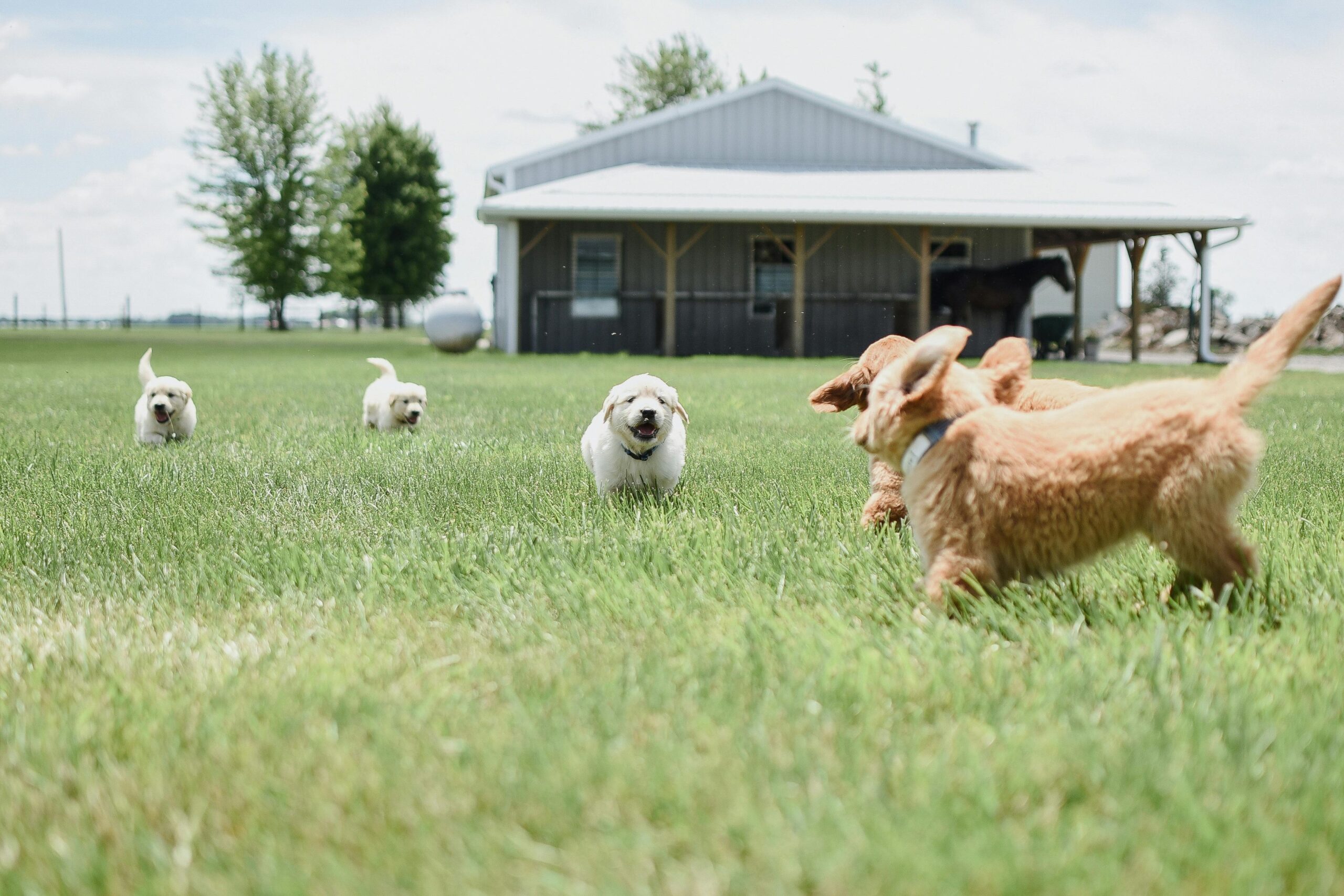
Dogs have been humanity’s loyal companions for thousands of years, but their relationship with people goes far beyond companionship. Throughout history, selective breeding has shaped dogs into remarkable specialists, each with unique physical characteristics, instincts, and personalities suited for specific jobs. From herding livestock across rolling hills to tracking scents through dense forests or comforting families at home, every breed carries a fascinating legacy.
Understanding why different dog breeds were developed not only helps prospective owners choose the right pet but also deepens appreciation for the incredible diversity found in the canine world. Let’s explore the specialized roles and defining traits that make dog breeds so extraordinary.
The Purpose Behind Dog Breeding
Unlike many domesticated animals, dogs were selectively bred with highly specialized goals in mind. Early breeders carefully chose dogs that displayed desirable qualities such as intelligence, endurance, strength, speed, or a keen sense of smell. Over generations, these characteristics became more pronounced, creating breeds uniquely suited for particular tasks.
Today, while many dogs no longer perform their original jobs daily, those inherited instincts remain remarkably strong. A Border Collie may instinctively herd children, while a Beagle may eagerly follow every interesting scent during a neighborhood walk.
Herding Dogs: Masters of Intelligence and Control
Herding breeds were developed to manage livestock efficiently, often working independently while remaining responsive to their handlers.
Popular herding breeds include:
- Border Collie
- Australian Shepherd
- German Shepherd
- Pembroke Welsh Corgi
- Shetland Sheepdog
Common traits include:
- Exceptional intelligence
- High energy
- Excellent trainability
- Strong work ethic
- Natural herding instincts
These dogs thrive when given mental stimulation and physical exercise. Puzzle toys, agility training, advanced obedience, and interactive games help satisfy their need for purposeful activity.
Sporting Dogs: Athletic and Eager to Please
Sporting breeds were developed to assist hunters by locating, retrieving, or flushing game birds. Their cooperative nature makes them among the most popular family dogs today.
Well-known sporting breeds include:
- Labrador Retriever
- Golden Retriever
- English Springer Spaniel
- Cocker Spaniel
- German Shorthaired Pointer
These breeds typically possess:
- Friendly personalities
- Excellent swimming abilities
- High stamina
- Strong retrieving instincts
- Outstanding trainability
Their affectionate nature and willingness to learn also make them popular therapy, service, and search-and-rescue dogs.
Hound Dogs: Built for the Chase
Hounds rely either on their incredible sense of smell or sharp eyesight to track prey.
Scent Hounds
Examples include:
- Beagle
- Bloodhound
- Basset Hound
Characteristics include:
- Extraordinary noses
- Persistence
- Determination
- Independent thinking
Bloodhounds possess one of the most powerful scent-tracking abilities in the animal kingdom, making them valuable partners in law enforcement and search-and-rescue operations.
Sight Hounds
Examples include:
- Greyhound
- Whippet
- Saluki
- Afghan Hound
These breeds excel through:
- Incredible speed
- Keen eyesight
- Graceful movement
- Athletic endurance
Despite their athletic abilities, many retired racing Greyhounds become surprisingly calm companions indoors.
Working Dogs: Powerful Partners
Working breeds were created for physically demanding jobs involving guarding property, pulling sleds, protecting livestock, and assisting humans under difficult conditions.
Examples include:
- Rottweiler
- Boxer
- Bernese Mountain Dog
- Siberian Husky
- Great Dane
- Newfoundland
Typical characteristics include:
- Strength
- Courage
- Loyalty
- Confidence
- Protective instincts
These breeds often excel as police dogs, military dogs, rescue dogs, and dependable family guardians when properly socialized and trained.
Terrier Breeds: Fearless Problem Solvers
Terriers were bred to hunt rodents and other small pests, requiring courage far beyond their size.
Popular terriers include:
- Jack Russell Terrier
- Scottish Terrier
- West Highland White Terrier
- Bull Terrier
- Airedale Terrier
Common personality traits include:
- Confidence
- Curiosity
- Fearlessness
- High energy
- Determination
Terriers love interactive games, digging, chasing, and solving challenges that keep both their minds and bodies engaged.
Toy Breeds: Small Dogs with Big Personalities
Toy breeds were primarily developed as companion animals, offering affection and close human interaction rather than performing physically demanding work.
Popular toy breeds include:
- Chihuahua
- Pomeranian
- Maltese
- Yorkshire Terrier
- Cavalier King Charles Spaniel
Their defining characteristics include:
- Portability
- Affection
- Alertness
- Adaptability
- Devotion to their owners
Although small, many toy breeds possess surprisingly bold personalities and often behave as though they’re much larger dogs.
Non-Sporting Dogs: Diverse and Unique
The non-sporting group contains breeds that don’t neatly fit into other categories, making it one of the most diverse groups.
Examples include:
- Bulldog
- Dalmatian
- Standard Poodle
- Chow Chow
- Boston Terrier
These breeds vary greatly in:
- Energy levels
- Temperament
- Appearance
- Grooming needs
- Original purpose
For example, Standard Poodles were originally water retrievers despite their elegant appearance, while Dalmatians historically served as carriage dogs.
The Remarkable Power of Canine Senses
Selective breeding has enhanced many extraordinary canine abilities.
Incredible Sense of Smell
Dogs possess approximately 220 million scent receptors compared to about 5 million in humans. Certain breeds can detect:
- Missing persons
- Medical conditions
- Narcotics
- Explosives
- Wildlife
Exceptional Hearing
Dogs hear frequencies beyond the range of human hearing, making them valuable watchdogs and working partners.
Athletic Ability
Breeds developed for endurance or speed display remarkable physical capabilities. Huskies can pull sleds over great distances, while Greyhounds can sprint at speeds exceeding 40 miles per hour.
Matching Breed Traits with Lifestyle
Finding the right dog breed involves more than choosing one based on appearance. A dog’s inherited instincts should complement its owner’s lifestyle.
Questions to consider include:
- How much daily exercise can you provide?
- Do you have children?
- Do you live in an apartment or a house?
- How much grooming are you comfortable with?
- Are you looking for a jogging partner or a relaxed companion?
- Do you have experience training dogs?
Answering these questions honestly helps create successful, long-lasting relationships between owners and their pets.
Mixed Breeds: The Best of Many Worlds
While purebred dogs have predictable characteristics, mixed-breed dogs often combine the strengths of multiple lineages. Many mixed breeds inherit excellent health, unique personalities, and versatile temperaments.
Animal shelters are filled with wonderful mixed-breed dogs waiting for loving homes, proving that exceptional companions come in every shape, size, and background.
Responsible Ownership Matters
Regardless of breed, every dog deserves:
- Proper nutrition
- Regular veterinary care
- Daily exercise
- Mental enrichment
- Positive training
- Socialization
- Love and companionship
Even breeds developed for demanding work can become wonderful household pets when their physical and emotional needs are met consistently.
Dog breeds represent centuries of thoughtful breeding, resulting in animals uniquely equipped for specialized roles ranging from herding sheep and retrieving game to guarding homes and providing devoted companionship. Each breed reflects a remarkable combination of instinct, intelligence, physical ability, and personality that continues to influence its behavior today.
Whether you’re drawn to the tireless enthusiasm of a Labrador Retriever, the unmatched intelligence of a Border Collie, the fearless confidence of a Terrier, or the gentle loyalty of a Newfoundland, understanding a breed’s history helps you appreciate why dogs behave the way they do. By matching those natural traits with your lifestyle, you can build a rewarding partnership that benefits both you and your canine companion for years to come.
Generated by ChatGPT