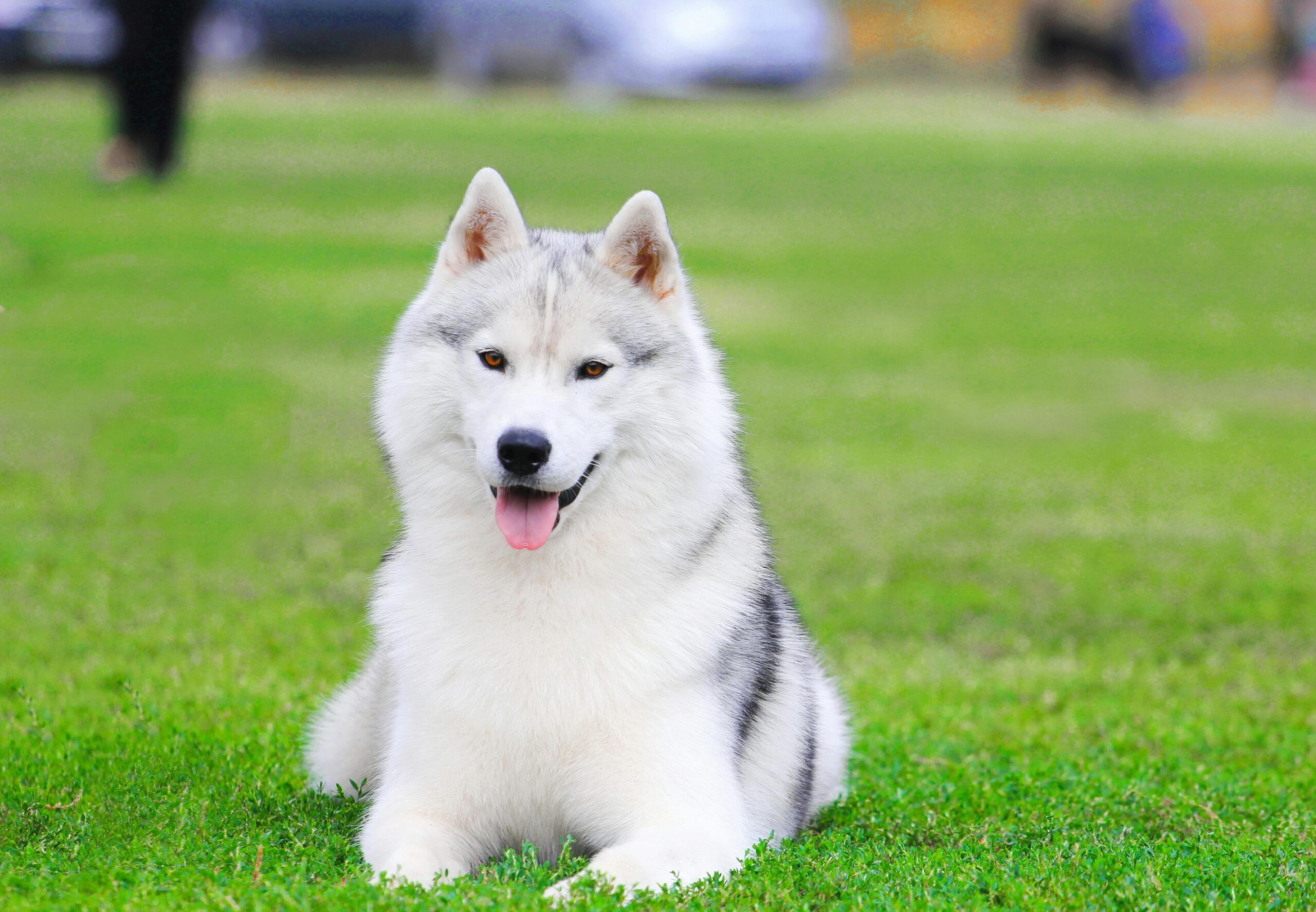
Winter’s chill doesn’t deter these breeds—dogs bred for snow, ice, and adventure. From sled-pulling giants to agile mountain companions, these snow-loving dogs thrive in cold climates, offering companionship and joy during the frostiest months. Below, we explore their origins, traits, and how to keep them safe and happy in winter landscapes.
1. The Sled-Pulling Legends
Siberian Husky
Bred in Siberia to haul sleds across Arctic expanses, Huskies are built for speed and endurance. Their thick double coats and wolf-like stamina make them ideal for snowy adventures, whether racing, hiking, or simply frolicking in drifts. While their high energy demands regular exercise, their playful nature and affectionate personalities make them beloved family pets.
Alaskan Malamute
A powerhouse of strength, Malamutes were bred to pull heavy loads in Alaska’s harsh terrain. Their broad chests and muscular builds suit them for rugged winter tasks, though their independent streak requires patient training. Unlike Huskies, Malamutes prioritize power over speed, making them less suited for sprinting but excellent for steady, long-distance hauls.
2. The Mountain Guardians
Bernese Mountain Dog
Hailing from Switzerland, these gentle giants excel in alpine climates. Their thick coats and sturdy frames allow them to navigate steep slopes and deep snow, though their curiosity may lead them astray during hikes. Originally draft animals, they now thrive as loyal companions, blending strength with a calm demeanor.
Greater Swiss Mountain Dog
Another Swiss breed, this robust dog was historically used for drafting and guarding. Its dense coat and powerful physique adapt well to snowy terrain, but its strong prey drive demands vigilant supervision during outdoor adventures.
Leonberger
A cross between Saint Bernards and Newfoundlands, Leonbergers combine size, strength, and a love for cold weather. Their sociable nature makes them excellent family dogs, though boredom can lead to wandering if they’re not mentally and physically engaged.
3. The Rescue Heroes
Saint Bernard
Famous for their role in Alpine rescues, Saint Bernards use their keen sense of smell to locate stranded travelers. Their thick coats and calm disposition suit them for snowy missions, though their size and strength require careful handling.
Newfoundland
Bred in Canada to assist fishermen and rescue swimmers, Newfoundlands thrive in icy waters and snowy landscapes. Their double coats and webbed feet make them natural winter athletes, while their patient nature earns them the nickname “nannies” for their gentle interaction with children.
4. The Agile Snowshoers
Tibetan Terrier
Despite their small size, Tibetan Terriers excel in snow due to their unique “snowshoe feet”—large, flat paws that grip icy surfaces. Originally herding dogs in Tibet’s mountains, they’re agile climbers and enjoy retrieving items from steep terrain. Their double coats trap warm air, keeping them cozy in cold climates.
Norwegian Elkhound
Built for endurance, Elkhounds were bred to hunt elk in Scandinavia’s harsh winters. Their weatherproof coats and compact frames allow them to traverse deep snow, making them ideal for active families.
5. The Cold-Weather Companions
Samoyed
Nicknamed the “Christmas Dog” for their white coats, Samoyeds originated in Siberia as herding and sled-pulling dogs. Their fluffy undercoats and water-resistant guard hairs protect them from extreme cold, while their outgoing personalities suit them for lively winter play.
Finnish Lapphund
A medium-sized breed from Finland, Lapphunds herded reindeer in Arctic conditions. Their thick coats and friendly nature make them adaptable to snowy climates, though they require consistent exercise to stay happy.
Safety and Care for Snow-Loving Dogs
While these breeds thrive in cold weather, precautions are essential to prevent accidents:
- GPS Trackers: Dogs with strong prey drives (e.g., Malamutes, Swiss Mountain Dogs) may bolt during hikes. Devices like Tractive GPS help locate them quickly.
- Coat Maintenance: Double-coated breeds shed heavily in spring but require regular brushing to prevent matting. Avoid cutting their coats, as the guard hairs protect against sun and wind.
- Exercise Timing: In temperate climates, limit walks to dawn or dusk to avoid overheating. Use cooling vests or beds for tropical-dwelling snow breeds.
- Mental Stimulation: Bored dogs may wander. Engage them with puzzle toys or structured play to channel their energy.
From the Arctic tundra to mountain peaks, these breeds embody resilience and joy in winter landscapes. Whether you’re a seasoned adventurer or a cozy homebody, a snow-loving dog can elevate your winter experience—provided you respect their needs and adapt to their unique traits. With the right care, they’ll be your loyal companion through snowstorms and sledding trips alike.
Content generated by Perplex.ai